Several Patients “Emerging” as Disorders of Consciousness Program Celebrates One Year
- Category: Research, In the News, General, Brain Injury, Spinal Cord Injury, Stroke
- Posted On:

Casa Colina Hospital and Centers for Healthcare is excited to announce the one-year anniversary of the Casa Colina Center for Disorders of Consciousness (C³DoC) program. Launched in June 2025 following years of research and preparation, C³DoC offers crucial, evidence-based clinical management and innovative therapeutic interventions for individuals with acquired brain injuries resulting in Disorders of Consciousness (DoC), such as Vegetative State and Minimally Conscious State.
A Disorder of Consciousness occurs when a person experiences severe impairment in their awareness of themselves or their environment, typically following a major brain injury such as traumatic brain injury, stroke, or anoxia. Patients with DoCs often require long-term, specialized care due to the complexity of their condition, which can persist for months or even years.
Emerging Success
To celebrate our first year of success, we are proud to share that all our program’s patients have emerged from their DoC—truly remarkable outcomes for a vastly underserved, medically perplexing patient population.
What does it mean to “emerge” from a DoC? Program Director Caroline Schnakers, PhD, a globally recognized expert in DoC, explains.
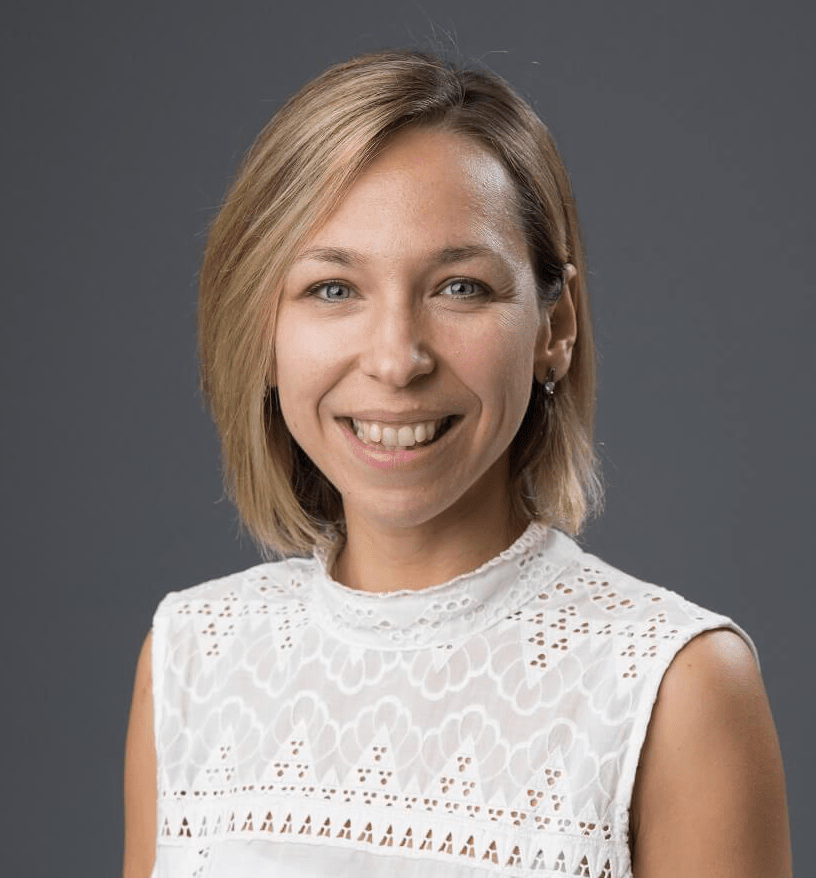 “Emergence simply refers to when a patient is able to consistently respond to commands and become a candidate for a more typical acute rehabilitation program,” says Dr. Schnakers. “We start with those observations to build on and [find] a place where the patient communicates better, responds better, and interacts with their environment better.”
Upon admission, each patient is assigned to a dedicated C³DoC treatment team, ensuring consistency of care throughout their inpatient hospital stay. Their interdisciplinary care team includes a physician, case manager, nurses, therapists (physical, occupational, respiratory), psychologist/neuropsychologist, speech-language pathologist, clinical scientist, and clinical pharmacist. “Once a patient begins to become consistently responsive to simple commands in treatment,” says Dr. Schnakers, “they may be ready to participate in three hours of daily acute rehabilitation therapy like a patient with a more typical acquired or traumatic brain injury.”
C³DoC is one of just a few dedicated programs nationally and is the sole provider in Southern California offering specialized services for people in low-level states of consciousness caused by brain injury. This intensive four-week program is designed with several key goals:
- Determining the level of consciousness using specialized behavioral assessments, neuroimaging, and/or electrophysiology.
- Preventing and treating secondary complications, such as contractures and infections.
- Maximizing arousal, alertness, and response consistency through behavioral and pharmacological interventions, alongside the latest neuromodulation techniques.
- Identifying barriers and assessing the need for augmentative communication and environmental control systems.
- Providing comprehensive education, support, and information resources for caretakers.
- Offering opportunities for patient participation in research involving novel diagnostic and treatment approaches.
Dr. Schnakers serves as the Chair of the Special Interest Group on Disorders of Consciousness for the International Brain Injury Association. She brings 25 years of experience as a clinical scientist in the neurorehabilitation field. Her extensive research focuses on severe acquired brain injuries, with a particular emphasis on assessing brain activity and cognitive function using behavioral, electrophysiological, and neuroimaging techniques. She has published more than 160 articles in prestigious international peer-reviewed journals such as Neurology, Annals of Neurology, Nature Reviews Neurology, and Lancet.
Next Steps
With several promising patient outcomes over its first year, the Center has set its sights on generating broader renown and marketing itself to a wider audience to help even more families in need of these rare but critical services.
One major milestone to accomplish this will be earning accreditation from the Commission on Accreditation of Rehabilitation Facilities (CARF), which represents the international gold standard for rehabilitation care. Achieving this distinction, says Dr. Schnakers, will require ongoing team education and training, increased systematic integration of research within treatment, and broader dissemination of the Center’s work through presentations and peer-reviewed publications.
To learn more about C³DoC, please contact Dr. Caroline Schnakers at cschnakers@casacolina.org or 909/596-7733, ext. 3038.